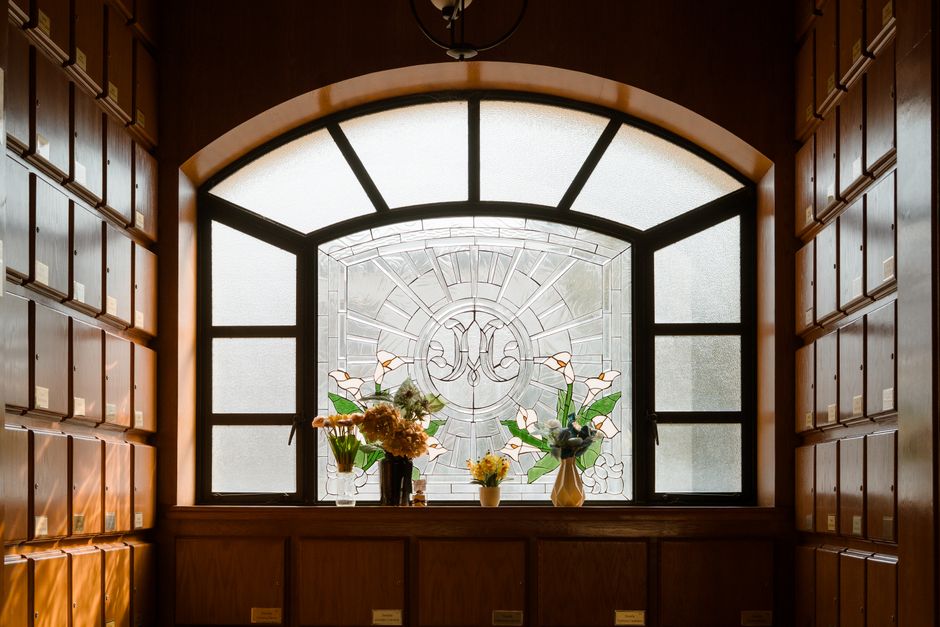
Poplar florist case study Aberfeldy Estate memorial makeover
Posted on 18/10/2026
If you are looking into a Poplar florist case study Aberfeldy Estate memorial makeover, you are probably after more than a pretty arrangement. You want to understand how a memorial space can be refreshed with care, how a florist approach can feel respectful rather than overdone, and what the process looks like in real life. That is exactly what this article unpacks.
Memorial makeovers are sensitive jobs. They sit somewhere between design, maintenance, and remembrance. Done well, they can lift a space without losing its dignity. Done badly, they can look rushed, mismatched, or just a bit too shiny. Nobody wants that. So here we'll walk through the why, the how, the practical decisions, and the common pitfalls, using the kind of grounded thinking a local florist would apply on the day.
This is written for families, estate managers, community organisers, and anyone comparing options for floral tributes or memorial updates around Poplar and the wider E14 area. You'll find clear guidance, a comparison table, a checklist, and a realistic example of what a memorial makeover project often involves.
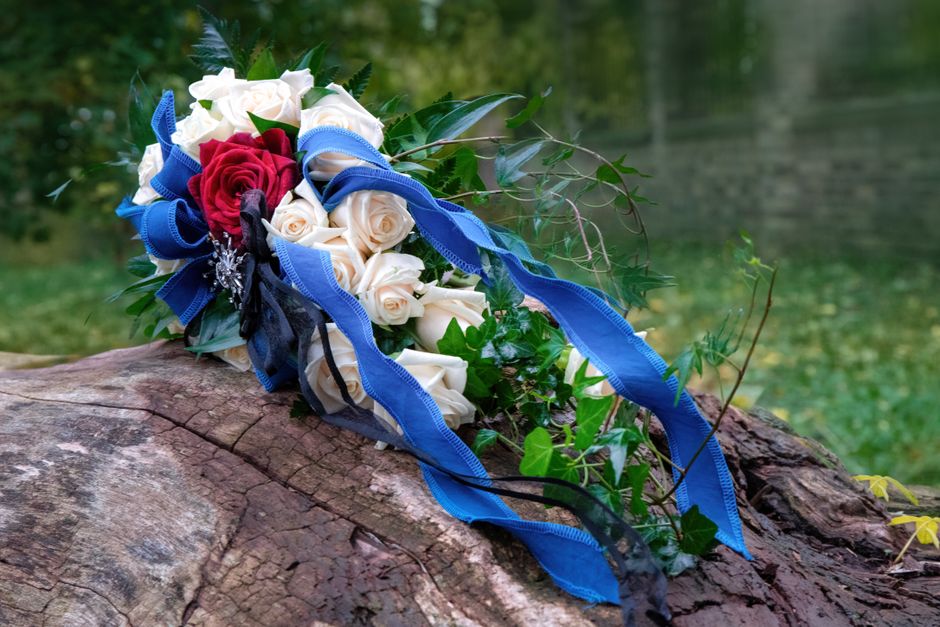
Table of Contents
- Why Poplar florist case study Aberfeldy Estate memorial makeover Matters
- How Poplar florist case study Aberfeldy Estate memorial makeover Works
- Key Benefits and Practical Advantages
- Who This Is For and When It Makes Sense
- Step-by-Step Guidance
- Expert Tips for Better Results
- Common Mistakes to Avoid
- Tools, Resources and Recommendations
- Law, Compliance, Standards, or Best Practice
- Options, Methods, or Comparison Table
- Case Study or Real-World Example
- Practical Checklist
- Conclusion
- Frequently Asked Questions
Why Poplar florist case study Aberfeldy Estate memorial makeover Matters
A memorial makeover is not just about flowers. It is about how a place feels when people arrive there quietly, often with a lot on their mind. In Aberfeldy Estate, that might mean a communal remembrance spot, a tribute area, or a garden setting that has become weathered over time. Flowers can soften hard edges, signal care, and make the space feel tended again.
That matters because memorial areas are rarely used in the same way as ordinary display spaces. They need restraint, balance, and a sense of permanence even though the flowers themselves are temporary. A florist working on this sort of project is not only choosing blooms; they are thinking about scale, colour mood, seasonal durability, and how the arrangement sits in the surrounding environment.
There is also a practical side. If a memorial area has looked neglected, people may stop visiting it as often. A cleaner, more coherent floral presentation can help restore a sense of welcome. And to be fair, that first impression matters a lot when people are arriving with flowers in hand, or just standing there in silence for a minute or two.
For Poplar specifically, local knowledge helps. Exposure to wind, foot traffic, building shade, and occasional weather swings can all affect how a memorial makeover performs in real conditions. A florist who understands the setting can choose materials that hold up better and look respectful longer.
How Poplar florist case study Aberfeldy Estate memorial makeover Works
The process usually starts with a walk-through. Not a glamorous bit, but honestly one of the most important. You look at the memorial space as it is now: what needs removing, what can stay, what is worn, and where fresh flowers will actually be seen. You also notice the practical stuff: drainage, access, sunlight, and whether the site gets knocked about by passers-by.
From there, the florist normally builds the makeover around a design brief. In memorial work, that brief may be simple: keep it elegant, use soft colours, include a tribute wreath or spray, and avoid anything that feels too celebratory. Sometimes families want white and green. Sometimes they ask for something more personal, like a favourite colour family or a flower with meaning. The right choice depends on the occasion and the site itself.
Selection matters. A memorial makeover might use wreaths, sprays, cushions, hearts, posies, or letter tributes depending on the space and purpose. A good florist will match the arrangement type to the structure of the memorial. For example, a wide flat base may suit a larger tribute piece, while a smaller plinth may need a compact arrangement with strong symmetry.
Then comes production. This is where the work gets quietly technical: conditioning flowers, securing stems, checking foam or water sources where suitable, and making sure the tribute will keep its shape for the intended period. If the memorial is outdoors, durability becomes even more important. Nobody wants a beautiful arrangement that sags by lunchtime. Flowers are lovely, but they do have opinions about the weather.
Delivery and placement are the final pieces. Timing has to work with the estate, the family, and sometimes local access restrictions. A careful florist will also think about aftercare: whether the display needs a refresh, whether loose blooms should be cleared, and how the memorial should be maintained going forward.
Key Benefits and Practical Advantages
A memorial makeover brings a few clear benefits, and they are both emotional and practical. The emotional value is obvious: a space that feels cared for helps people feel supported. But the practical value is easy to overlook, and it should not be.
- Improved dignity: A neat, balanced floral scheme makes a memorial feel respected and intentional.
- Better visual harmony: Matching scale, colour, and style avoids the cluttered look that often happens when tributes build up over time.
- Longer-lasting presentation: The right flowers and mechanics can keep the display presentable for longer, especially outdoors.
- Less maintenance stress: A planned design is easier to manage than lots of separate small tributes placed without a clear structure.
- More meaningful personalisation: Families can include favoured flowers, colour themes, or tribute shapes that reflect the person remembered.
- Better seasonal fit: The arrangement can be chosen to suit the weather and the time of year rather than fighting against it.
There is another benefit that is harder to measure but very real: people often feel more confident visiting a memorial that looks thoughtfully maintained. It changes the mood a little. The space feels held.
Practical takeaway: a memorial makeover works best when design choices support the emotional purpose of the site. If it looks beautiful but feels wrong for the occasion, it is not really a success. Simple as that.
Who This Is For and When It Makes Sense
This kind of florist work is useful for more people than you might think. It is not only for funerals, and it is not only for big ceremonies. In fact, the need often appears in smaller, quieter moments.
- Families who want to refresh a grave-side or memorial space after a burial or anniversary.
- Estate managers looking to improve a shared remembrance area on a residential or mixed-use site.
- Community groups caring for a local tribute space, especially where regular upkeep matters.
- Funeral organisers who need a respectful floral plan that travels well and arrives on time.
- People arranging a memorial date such as an anniversary, birthday, or remembrance day.
- Anyone in Poplar or E14 comparing local flower delivery and tribute options for a sensitive occasion.
It makes sense when the existing space feels tired, when tributes have become visually inconsistent, or when a special date calls for something more deliberate. It also makes sense after weather damage, general fading, or when the family simply wants to do something thoughtful without making a grand production of it.
Ask yourself: does the space currently reflect the level of care you want people to feel? If the answer is no, a floral makeover may be the gentlest way to change that.
Step-by-Step Guidance
Here is a practical way to think about a memorial makeover project from start to finish.
- Assess the site. Look at size, access, condition, and where visitors naturally stand or leave flowers.
- Clarify the purpose. Is this for a one-off tribute, a seasonal refresh, or ongoing memorial presentation?
- Choose the tribute style. Wreath, spray, basket, cushion, heart, cross, posy, or custom form. The memorial should lead the decision, not the other way round.
- Select the colour palette. White, cream, soft pink, purple, and green often work well for remembrance, though personal meaning may lead elsewhere.
- Pick suitable flowers. Durable blooms with good structure tend to work best outdoors or where the display needs to last.
- Agree the placement. Decide where the arrangement will sit and how it should be viewed by visitors.
- Confirm timing. Delivery should fit the occasion and local access, especially if the site has narrow windows for placement.
- Plan maintenance. If the memorial is long-term, decide who will water, refresh, or remove fading stems.
- Review after installation. A short check after placement can catch any wobble, imbalance, or unexpected weather issue.
The best memorial work often looks effortless, but it is not improvised. There is usually a fair amount of quiet coordination underneath. That is fine. In fact, it is reassuring.
What to prioritise first
If you are unsure where to begin, start with the purpose and the environment. Those two things shape nearly every other choice. A tribute for a sheltered remembrance wall is not the same as one meant for an exposed estate garden. Obvious, maybe, but easy to miss in the stress of the moment.
Expert Tips for Better Results
Some of the best memorial makeovers are not the most elaborate ones. They are the most coherent. Here are the details that tend to lift the final result.
- Use fewer colours than you think. One or two well-chosen tones often feel calmer and more respectful than a rainbow of different shades.
- Match the scale to the site. Oversized tributes can overpower a small memorial; tiny pieces can disappear in a larger open area.
- Think about weather first. A bouquet that looks perfect in a shop can behave very differently in a breezy, damp, or sunny outdoor setting.
- Keep the message simple. Memorial spaces rarely need a lot of visual noise. Clean lines tend to age better.
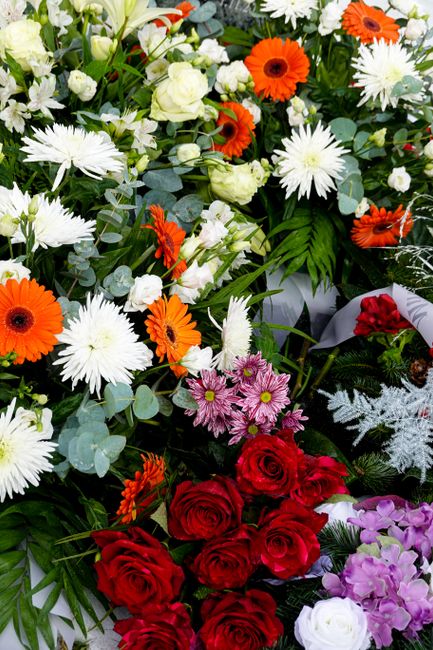
- Choose texture carefully. Leaves, buds, roses, chrysanthemums, lilies, and soft filler flowers all create different emotional tones.
- Allow for a second visit. If the memorial matters year-round, one installation may not be enough. A seasonal refresh can make a big difference.
A small human detail: sometimes the flower that seems least dramatic ends up doing the most work. A white rose or a neatly shaped spray can say more than a complicated, showy mix. It is a bit unfair to the big dramatic blooms, but there you are.
If you are arranging the tribute for a family, keep communication clear and steady. People under emotional pressure do not want design jargon. They want to know what it will look like, how long it should last, and whether it will feel appropriate.
Common Mistakes to Avoid
Memorial projects go wrong when the floral choice is made before the setting is understood. That is the big one. But there are a few other traps worth avoiding.
- Choosing flowers that fade too quickly. Beautiful on day one, tired by day two. Not ideal.
- Overcrowding the memorial. More is not always better. In memorial work, restraint usually wins.
- Ignoring the wind and rain. Outdoor arrangements need proper mechanics and sensible flower selection.
- Using clashing colours without a clear reason. Strong contrast can work, but only when handled carefully.
- Forgetting access logistics. If delivery or placement is awkward, the whole day can become unnecessarily stressful.
- Skipping maintenance planning. A memorial makeover is not finished when it arrives. It needs a plan after that too.
One easy mistake is treating a memorial like a party display. It is not. It should not feel cold, but it should feel measured. That balance is the art, really.
Tools, Resources and Recommendations
You do not need a huge toolkit to manage a memorial floral project, but having the right basics helps a lot. For a florist, the key resources are usually practical rather than flashy.
- Fresh conditioning buckets and clean water for flower preparation.
- Sharp floral cutters for neat stem cuts and less damage.
- Floral foam or alternative mechanics where appropriate and suitable for the arrangement type.
- Protective wrapping or transport support to keep shape during delivery.
- Colour swatches or simple mood references to keep the design focused.
- Delivery notes and access details so placement goes smoothly.
- Basic aftercare guidance for families or caretakers.
For readers choosing between tribute styles, a helpful starting point is browsing sympathy-focused arrangements and tribute forms such as tributes, wreaths, and sprays. If you need something more specific for remembrance, options such as letter tributes or sympathy flowers may be more suitable, depending on the memorial style.
For ongoing care, the florist's own flower care guidance can help if you are maintaining flowers after installation. And if you want to understand delivery timing around the area, the delivery information page is worth a look.
Law, Compliance, Standards, or Best Practice
Memorial flower work does not usually involve heavy regulation in the way some industries do, but there are still sensible standards to follow. The main ones are about respect, access, safety, and clear communication.
If the memorial sits on private estate land, you should confirm permission for placement, access routes, and any maintenance arrangement. If it is in a shared communal setting, it is wise to check who is responsible for upkeep and whether there are any site rules around materials, waste removal, or temporary displays. That can save a lot of awkwardness later.
Best practice also means being careful with commemorative wording, religious symbols, and cultural details. Some memorials call for specific colours, forms, or floral types. When in doubt, ask rather than guess. A respectful question beats a confident mistake every time.
For general business trust signals, a florist should have clear policies on delivery, refunds, privacy, payment, and accessibility. Those do not change the memorial itself, but they do matter to the customer experience. If you are comparing service terms, pages such as terms and conditions, privacy policy, returns and refund information, and accessibility statement help set expectations in a straightforward way.
And yes, even in a memorial project, good admin matters. It is not the romantic part, but it is part of doing things properly.
Options, Methods, or Comparison Table
Different memorial makeovers call for different floral methods. The right choice depends on the setting, budget, and how long the display needs to last. Here is a simple comparison to make that easier.
| Option | Best for | Strengths | Watch-outs |
|---|---|---|---|
| Wreath | Formal remembrance and traditional tributes | Classic shape, strong symbolism, visually neat | Can feel too formal for some informal memorial spaces |
| Spray | Flat surfaces, graves, and casket-style presentation | Elegant, adaptable, easy to scale | Needs secure placement and sensible flower choice outdoors |
| Posy or basket | Smaller memorial updates or quieter family tributes | Gentle, accessible, often easier to maintain | May be too small for larger estate memorial settings |
| Heart or cushion tribute | Personal remembrance and emotional focus | Clearly symbolic, intimate feel | Can be less suitable for very formal or minimalist spaces |
| Letter tribute | Named memorials and highly personal displays | Strong message, memorable, distinctive | Requires more space and a careful visual plan |
In practice, the best result often comes from choosing the simplest option that still fits the story you want the memorial to tell. Fancy is not automatically better. Sometimes not even close.
Case Study or Real-World Example
Let's use a realistic, non-dramatic example based on the kind of memorial makeover a Poplar florist might handle for Aberfeldy Estate. The site has been left with a few faded tributes, uneven container flowers, and a general sense that nobody quite knew where to start. It is not disrespectful, exactly. Just tired.
The first step is a calm review of what is already there. Some items may be meaningful and should stay. Others may be past their best and need careful removal. The florist then agrees a more coherent look with the family or site contact: mostly white and green, with soft touches of purple to reflect a personal memory. The idea is not to overwhelm the memorial, but to restore it.
A compact wreath might be used as the central piece, with a matching spray nearby to create visual balance. Around that, loose faded stems are cleared away and replaced with a cleaner, more unified presentation. If the space is exposed, the florist selects sturdier flowers and secures the design more tightly than they would for an indoor tribute. A few roses, some chrysanthemums, and foliage with strong shape can do a lot of heavy lifting here.
The result is simple but effective. When visitors arrive, they can tell that the space has been cared for. It no longer feels like a collection of leftovers. It feels intentional again. That shift is subtle, but honestly it is the whole point.
Expert note: the best memorial makeover is usually the one that quietly removes friction. Fewer loose ends, better balance, less visual noise. The meaning comes through more clearly when the design is not shouting over it.
Practical Checklist
Before you place an order or approve a memorial makeover, run through this checklist. It keeps decisions grounded and reduces avoidable stress.
- Have you confirmed the exact memorial location and access details?
- Do you know whether the arrangement is for a one-off date or ongoing display?
- Have you chosen a tone: formal, soft, religious, personal, or minimalist?
- Are the colours appropriate for the person, the family, and the site?
- Have you checked whether the memorial is sheltered or exposed to weather?
- Do you know who will maintain or refresh the flowers after installation?
- Have you agreed any wording, symbols, or tribute style in advance?
- Is the delivery timing practical for the estate or venue?
- Have you reviewed the florist's policy pages and service expectations?
- Does the final design feel respectful, clear, and calm rather than overworked?
If you can tick most of those off, you are in good shape. If a few are missing, no panic. Better to ask now than fix it later.
Conclusion
A Poplar florist case study Aberfeldy Estate memorial makeover is really about more than flowers. It is about creating a space that feels cared for, readable, and dignified when people come to remember someone important. The florist's role is part design, part planning, part restraint. That balance is what makes the difference.
Whether you are arranging a memorial refresh for a family, a shared estate space, or a personal remembrance date, the smartest approach is usually the simplest one: understand the site, choose flowers that suit the setting, and keep the tone calm and intentional. Do that, and the result tends to feel right. Not perfect, maybe, but right. And that matters more.
If you are comparing tribute styles, delivery options, or memorial-friendly arrangements, start with the most relevant local choices and work from there. A little clarity at the beginning saves a lot of emotional noise later on.
Get a free quote today and see how much you can save.
Sometimes the quietest floral gesture says the most.
Frequently Asked Questions
What does a Poplar florist case study Aberfeldy Estate memorial makeover actually involve?
It usually involves assessing a memorial space, choosing a suitable tribute style, refreshing or replacing faded flowers, and making sure the final arrangement feels respectful and coherent for the setting.
Is a memorial makeover the same as funeral flowers?
Not exactly. Funeral flowers are often designed for a service or immediate tribute, while a memorial makeover can be about improving an existing remembrance space or creating a longer-lasting floral presentation.
Which flower styles work best for memorial spaces?
Wreaths, sprays, baskets, posies, hearts, and letter tributes are all common. The best choice depends on the space, how formal the memorial is, and how long the flowers need to last.
How long should memorial flowers last outdoors?
That depends on the flower types, weather, and placement. Some arrangements will look good for several days, while others need a refresh sooner if they are in wind, direct sun, or damp conditions.
Can I request a specific colour scheme for a memorial makeover?
Yes, absolutely. Many families choose white, green, purple, pink, or another meaningful palette. The key is to keep it appropriate for the memorial and not overload the space.
What if the memorial area is small?
A smaller memorial usually benefits from a compact design such as a posy, small spray, or basket. The aim is to keep the space balanced rather than crowded.
Do I need permission to place flowers on estate land?
In many cases, yes, especially on private or managed estate property. It is sensible to confirm access and placement rules before arranging anything permanent or semi-permanent.
What is the best option for a long-term memorial display?
That depends on maintenance and weather exposure. Durable flowers, a secure structure, and a design that is easy to refresh tend to work best for longer-term displays.
How do I keep memorial flowers looking neat for longer?
Choose hardy blooms, avoid overcrowding, keep the palette simple, and arrange for regular checks if the memorial is exposed. A florist can also advise on the best mechanics for the setting.
Are sympathy flowers appropriate for a memorial makeover?
Yes, in many cases they are. Sympathy flowers can be a thoughtful fit when you want something gentle, understated, and respectful rather than highly decorative.
What should I ask a florist before ordering memorial flowers?
Ask about suitability for the location, delivery timing, expected lifespan, colour options, tribute shapes, and what happens if the site is difficult to access. Clear answers are a good sign.
How do I decide between a wreath and a spray?
A wreath feels more circular and formal, while a spray often works well on flat surfaces or at the front of a memorial. If you are unsure, the memorial's shape and viewing angle usually make the decision clearer.
Can I combine flowers with cards or tribute items?
Yes, often you can. A small card, ribbon message, or other tribute item can add a personal touch, as long as it does not clutter the memorial or conflict with site rules.
What is the simplest way to start planning a memorial makeover?
Start with the location, the purpose, and the tone you want. Then choose a floral style that fits those three things. That simple order keeps the whole project calm and manageable.