Poplar wedding flowers planning timeline and trusted florists
Posted on 24/09/2026
Planning your wedding flowers can feel strangely intimate and slightly chaotic at the same time. One minute you are choosing bridal bouquets, the next you are trying to remember whether buttonholes need to be ordered with the same lead time as table arrangements. If you are looking for clear, sensible guidance on Poplar wedding flowers planning timeline and trusted florists, you are in the right place.
This guide walks you through when to book, what to decide first, how to compare florists in Poplar, and what a realistic wedding flower timeline looks like in the UK. It is written for couples who want flowers that look beautiful on the day, but also want the process to feel calm, organised, and not wildly expensive. Let's face it, nobody needs one more thing to panic about in the run-up to a wedding.
We will also cover practical checks for choosing a florist, the most common mistakes couples make, and the kinds of wedding flower products that are worth considering for different venue styles around Poplar and East London. If you are shortlisting suppliers, you may also find it useful to browse the wider selection of wedding flowers and compare them with the dedicated Poplar wedding flowers page for more local context.
Table of Contents
- Why the planning timeline and florist choice matter
- How the process works from enquiry to wedding day
- Key benefits and practical advantages
- Who this is for and when it makes sense
- Step-by-step guidance
- Expert tips for better results
- Common mistakes to avoid
- Tools, resources and recommendations
- Law, compliance, standards, or best practice
- Options, methods, or comparison table
- Case study or real-world example
- Practical checklist
- Conclusion
- Frequently asked questions
Why Poplar wedding flowers planning timeline and trusted florists Matters
Wedding flowers are one of those details that can quietly shape the whole atmosphere of the day. They frame the ceremony, soften the reception space, help the photography, and often become part of the memories people keep. A bouquet in the wrong style can feel slightly off; the right one can make the whole room come alive.
In Poplar, where couples often marry in venues ranging from modern waterside spaces to classic halls and smaller intimate settings, timing matters because your florist may be balancing seasonal availability, delivery logistics, and bespoke design work all at once. Flowers are not something you want to leave until the last minute, especially if you are set on particular blooms or a specific colour story.
Choosing a trusted florist matters just as much as the flowers themselves. A good florist will help you balance vision and practicality. They will tell you when a flower is fragile, when a colour needs softening, and when your budget is better spent on a few high-impact pieces rather than trying to cover every surface. That kind of advice is gold, to be fair.
There is also a local trust factor. A florist who understands Poplar and the wider East London area is more likely to be comfortable with venue access, delivery timing, and the general rhythm of wedding days in the city. That means fewer surprises and a smoother handover on the morning of the wedding.
How Poplar wedding flowers planning timeline and trusted florists Works
The process usually starts with your wedding date, venue, and budget. From there, the florist helps you work backwards. Some couples arrive with a detailed mood board. Others know they want "soft, romantic, and not too fussy" and that is perfectly fine too. A strong florist should be able to build from either starting point.
Here is the basic flow:
- Initial enquiry: you share your date, venue, guest count, and any ideas you already have.
- Design discussion: you talk about colour palette, seasonal flowers, bouquet shapes, ceremony pieces, and reception styling.
- Proposal or quote: the florist outlines the floral items, prices, and any delivery or setup details.
- Refinements: you adjust quantities or swap elements to suit the budget.
- Final confirmation: details are locked in, often closer to the wedding once guest counts and timings are stable.
- Production and delivery: flowers are prepared, conditioned, and delivered on the agreed day.
The timeline behind this process depends on complexity. A simple bridal bouquet and a few buttonholes can be arranged quite quickly, though it is still wise not to leave it to the last minute. A full wedding flower design with ceremony flowers, table arrangements, bridesmaid bouquets, and a custom colour palette needs more lead time, especially if you want specific stems or a coordinated seasonal look.
For many weddings, the sweet spot is to book early enough to secure the florist, then refine the details later. That way you avoid the pressure of making all your decisions in one go. Wedding planning is already enough of a juggling act.
Key Benefits and Practical Advantages
There are real advantages to planning your wedding flowers properly, and they go beyond "looking nice in photos", although that part matters too.
- Better flower choice: booking earlier gives you a wider seasonal range and a better chance of securing the blooms you like.
- More control over style: you can refine the look gradually instead of settling under time pressure.
- Stronger budget control: a clear plan helps you prioritise what matters most, whether that is the bouquet, the ceremony arch, or the table pieces.
- Less stress on the day: a reliable florist manages delivery and setup so you are not chasing boxes or missing buttonholes.
- Better venue fit: the design can be matched to the scale, lighting, and layout of your Poplar venue.
- More consistent styling: trusted florists can keep the whole wedding floral scheme cohesive across the bridal party and reception.
There is also a quieter benefit that people sometimes overlook: confidence. Once the flowers are sorted by someone you trust, the planning feels lighter. You stop second-guessing every Pinterest image and start enjoying the process again. Which is, frankly, the point.
Who This Is For and When It Makes Sense
This kind of planning is useful for almost any couple getting married in or around Poplar, but it is especially helpful if any of the following sounds familiar:
- You want bespoke wedding flowers rather than a generic package.
- You are working with a set budget and need to prioritise wisely.
- You are getting married in a venue with specific delivery or setup timing.
- You are marrying in peak wedding season and want to secure a florist early.
- You have a strong colour scheme or theme and need the flowers to match exactly.
- You are planning a smaller wedding and want the flowers to feel intentional, not overdone.
It also makes sense for couples who are not floral experts. Most people are not. You may know you like white roses and greenery, or soft pinks with a romantic feel, but not much beyond that. A good florist can take those loose ideas and turn them into something elegant.
If you are the sort of person who looks at ten bouquet photos and still cannot decide between two shades of blush, you are very normal. Absolutely normal.
Step-by-Step Guidance
A clear step-by-step plan makes the whole thing much easier. Below is a practical timeline you can adapt to your own date and level of detail.
6 to 12 months before the wedding
Start researching trusted florists in Poplar and booking consultations. This is the stage for broad decisions: colour palette, overall style, and how flowers will appear across the day. If you are working with a venue already, note down where flowers are needed: ceremony table, aisle, bouquets, buttonholes, reception tables, and maybe a statement piece for photos.
This is also a sensible time to think about flower mood rather than individual stems. Do you want airy and loose, classic and structured, or modern and minimal? That one decision guides almost everything else.
4 to 6 months before the wedding
Confirm the main floral items and any larger arrangements. Many couples choose their bridal bouquet, bridesmaid bouquets, groom buttonholes, and table flowers at this stage. If you are using seasonal flowers, your florist may suggest alternatives that give you a similar feel without stretching the budget or risking supply issues.
For example, if you love peonies but are marrying outside peak season, your florist may suggest a mix of roses, ranunculus, or lisianthus for a similar softness. That sort of practical substitution is often what makes the design work beautifully in the real world.
2 to 3 months before the wedding
Refine quantities and details. Final guest counts, table layouts, and venue setup times often become clearer at this point. Confirm whether you need extra corsages, extra buttonholes, or different table shapes than expected. Little changes can make a big difference to the flower order.
If you have not yet chosen a florist, this is the time to move fast. Availability starts to tighten, especially for popular summer and early autumn dates.
2 to 4 weeks before the wedding
Confirm the final schedule, delivery address, contact details, and venue access. This is also the point to finalise the wording for any special requests. A good florist will want the morning timings, who will receive the flowers, and whether any items need to be installed before guests arrive.
It sounds a bit administrative, but these details prevent real headaches. The bouquet cannot arrive at the right moment if nobody can get into the venue.
Wedding week
Stay available for quick communication, but do not keep redesigning the flowers. Trust the plan. Florists usually condition flowers carefully in the final days before the wedding, so freshness and timing matter more than endless tinkering. The scent in the room when the bouquets arrive can be lovely - green stems, soft petals, that fresh florist smell - and by then the details should already be settled.
Wedding day
Have one person in charge of receiving the flowers. Ideally, this is someone calm, practical, and not also trying to pin on a boutonniere while answering guest questions. The florist or delivery driver should know exactly where to place each item, and any venue staff should be looped in if needed.
Expert Tips for Better Results
Here are the sorts of things experienced florists tend to say, because they genuinely help.
- Lead with the feeling, not the flower names. Saying "romantic and airy" often helps more than listing five different stems.
- Choose one or two focal areas. If the budget is tight, put impact into the bouquet and ceremony focal point, then simplify the rest.
- Consider the venue light. Some flowers look richer in bright daylight, while others feel better in softer indoor spaces.
- Ask about substitution policy. Trusted florists should explain how they handle seasonal changes without losing the overall look.
- Be honest about your budget early. It saves time and usually improves the final result.
- Think about comfort. Large bouquets can look lovely, but if you are carrying one for twenty minutes and then another twenty for photos, size matters.
A small tip that sounds almost too simple: bring one photo you love, one photo you dislike, and a few words about why. That often tells a florist more than a huge folder of mixed inspiration. Less noise, more signal.
And yes, if you love flowers but have no idea what anything is called, do not worry. Florists hear that every week. Probably every hour in wedding season.
Common Mistakes to Avoid
Wedding flower planning goes more smoothly when you dodge a few common traps.
- Leaving it too late: popular florists and seasonal flowers can book out earlier than expected.
- Trying to match too many colours: a scattered palette can look less refined in person than it does on a screen.
- Underestimating delivery needs: timing, access, and setup can all affect the final plan.
- Forgetting the practical items: buttonholes, corsages, and table flowers often get missed until the last minute.
- Choosing flowers without considering seasonality: this can push up costs or lead to substitutions later.
- Not discussing venue rules: some venues have limits on candles, foliage, hanging pieces, or setup timing.
One mistake I see a lot is couples overcommitting to every floral idea they find online. The result can be pretty, but slightly crowded. Less can actually feel more luxurious, especially in a smaller venue. A clean, thoughtful design tends to photograph better too.
Tools, Resources and Recommendations
You do not need a huge toolkit, just a few sensible resources and a clear way to compare options.
- Simple mood board: use saved images, colour notes, and a few words about atmosphere.
- Venue floor plan: helps with table arrangements and ceremony flower placement.
- Guest and table counts: useful for estimating buttonholes, corsages, and centrepieces.
- Wedding timeline: keeps flower delivery aligned with hair, makeup, and ceremony setup.
- Florist product pages: useful for understanding styles, colours, and typical arrangements.
For practical browsing, you may want to look at a local Poplar florist to get a feel for the service, and then compare product ranges such as bridal bouquets, bridesmaid bouquets, buttonholes, and table arrangements. That gives you a much better sense of what is possible than browsing random inspiration alone.
If you are also comparing value, the pages for flower delivery in Poplar and best flower delivery in Poplar can help you judge service quality, even if your wedding order is more bespoke than a standard bouquet delivery.
Law, Compliance, Standards, or Best Practice
For wedding flowers, there is usually not much in the way of formal legal complexity for the couple, but there are still important best practices. In the UK, a reputable florist should be clear about pricing, payment terms, delivery arrangements, and what happens if something changes close to the date. Always read the florist's terms and conditions and payment information before confirming anything.
Good practice also means checking cancellation or refund expectations in advance, especially if your order is bespoke or time-sensitive. For general service transparency, it helps when a business clearly explains policies such as returns and refunds, though wedding flowers are often handled differently from standard retail items because they are made to order and perishable.
Other trust signals matter too. A florist who is open about guarantees, delivery arrangements, flower care, and wider business standards such as about us, sustainability, and accessibility is usually a safer choice than one that feels vague. Trust is not just a nice extra here; it is part of the service.
One practical note: if you are relying on a specific delivery window, confirm access details carefully. Flats, concierge desks, and venue loading restrictions can all affect timing. A little admin now saves a lot of chasing later.
Options, Methods, or Comparison Table
Not every wedding needs the same floral approach. The right method depends on budget, venue style, and how much time you want to spend planning. Here is a straightforward comparison.
| Approach | Best for | Strengths | Trade-offs |
|---|---|---|---|
| Minimal bouquet-only order | Small weddings, registry ceremonies, tight budgets | Simple, elegant, easy to manage | Less impact across the venue |
| Core essentials package | Most standard weddings | Balanced, practical, covers the main touchpoints | May need careful prioritising |
| Bespoke full venue styling | Larger weddings, statement venues, strong visual themes | High impact, highly coordinated, memorable | More planning, more cost, more lead time |
| Seasonal florist-led design | Couples open to suggestions | Often excellent value and naturally cohesive | Requires flexibility on exact flower types |
For many Poplar couples, a core essentials package is the sweet spot. You get the bouquet, bridesmaid flowers, buttonholes, and a few reception pieces, without overspending on areas few guests will actually see closely. Smart, not stingy. There is a difference.
Case Study or Real-World Example
Here is a realistic example from the kind of planning many couples go through.
A couple getting married in Poplar had a spring wedding with about sixty guests. They wanted soft pink, white, and green flowers, but they were not fixed on particular stems. Their venue was modern and bright, so they did not need anything overly dramatic. They booked early, shared a few reference images, and asked the florist for something romantic but uncluttered.
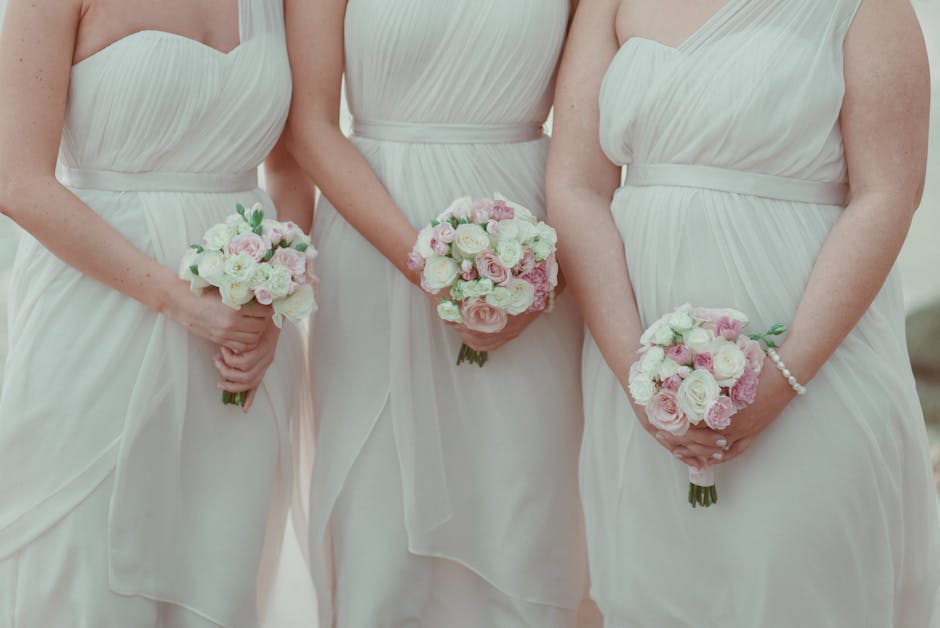
The florist suggested a bridal bouquet, two bridesmaid bouquets, three buttonholes, and simple table arrangements that could double as guest table decor and a reception display. Rather than spreading the budget across too many separate features, they focused on a polished ceremony look and a few elegant table pieces. The result felt cohesive, and the flowers did what good wedding flowers should do: support the day without becoming fussy or demanding attention.
What made it work was not some grand floral miracle. It was clarity. The couple had a timeline, the florist had room to plan, and everyone knew what mattered most. By the time the flowers arrived, there was no scrambling. Just that good, calm feeling when something has been properly handled.
Practical Checklist
Use this checklist as you move through your wedding flower planning.
- Confirm your wedding date and venue early.
- Shortlist trusted florists with wedding experience.
- Decide on your colour palette and overall style.
- Set a realistic budget before requesting quotes.
- List the floral items you definitely need.
- Note seasonal preferences and any flowers you dislike.
- Ask about substitutions, delivery, and setup.
- Check the venue for access, timing, and restrictions.
- Review terms, payment, and refund information carefully.
- Confirm final quantities before the wedding week.
- Nominate one person to receive the flowers on the day.
Quick expert summary: book early, stay flexible on flower varieties, and choose a florist who can explain the plan clearly without making it feel complicated. If they can do that, you are already in a much better place than most couples. Really.
Get a free quote today and see how much you can save.
Conclusion
Poplar wedding flowers planning timeline and trusted florists is really about two things: timing and trust. Get those right, and the rest becomes much easier. You will know when to book, what to ask for, and how to shape the floral design so it fits both your style and your venue.
Whether you want a simple bridal bouquet, a coordinated set of bridesmaid flowers and buttonholes, or a full floral plan for the ceremony and reception, the smartest move is to start early and choose a florist who listens well. The best wedding flowers are not just pretty. They feel like they belong to the day.
If you are still narrowing things down, take a calm look at the available Poplar wedding ranges, compare them with your timeline, and choose the florist who makes the process feel easy rather than rushed. That little sense of ease is worth a lot. On a wedding morning, it matters more than people expect.
And when the bouquet finally arrives, fresh and ready, everything tends to click into place. That is a lovely moment, honestly.
Frequently Asked Questions
How far in advance should I book wedding flowers in Poplar?
Ideally, start researching and booking 6 to 12 months before the wedding, especially for popular dates or bespoke floral styling. Smaller orders may be arranged sooner, but earlier booking gives you more choice and less pressure.
What should I discuss first with a wedding florist?
Start with your wedding date, venue, budget, colour palette, and the main floral items you need. From there, the florist can suggest styles and seasonal options that suit your day.
What makes a florist trustworthy for wedding flowers?
A trustworthy florist is clear about pricing, delivery, payment, substitutions, and timing. They should listen properly, explain options without jargon, and help you make practical decisions rather than pushing unnecessary extras.
Can I get wedding flowers delivered in Poplar on the wedding day?
Yes, many florists can arrange wedding-day delivery, but the exact timing needs to be agreed in advance. Make sure someone is available to receive the flowers and that venue access is confirmed.
How do I choose flowers that fit my budget?
Focus on the items guests will notice most, such as the bouquet and ceremony flowers, then simplify secondary pieces. Seasonal flowers and flexible design choices usually help stretch the budget further.
What if I do not know anything about flowers?
That is completely fine. A good florist will help you translate broad ideas like "romantic", "modern", or "soft and elegant" into a workable flower plan. You do not need to know stem names to get a beautiful result.
Are seasonal flowers better for weddings?
Often, yes. Seasonal flowers are usually easier to source, can be more cost-effective, and tend to look naturally in tune with the time of year. They are also easier for florists to condition and style well.
What wedding flower items are most important?
The most common essentials are the bridal bouquet, bridesmaid bouquets, buttonholes, and table arrangements or ceremony focal pieces. If your budget is tight, these are usually the first items to prioritise.
Should I ask for substitutions if my chosen flower is unavailable?
Yes, and it is smart to do so. Trusted florists usually have a substitution policy for seasonal availability, and the best ones can keep the overall look consistent even if a specific flower changes.
Do wedding florists handle setup as well as delivery?
Some do, and some only deliver. It depends on the service level you choose, so always ask. If your design includes table arrangements, ceremony styling, or larger displays, setup can be a real advantage.
How do I make sure the flowers suit my venue?
Share photos or details of the venue early, including the size of the ceremony area, table layout, and lighting. A florist can then suggest arrangements that feel proportionate rather than oversized or too minimal.
What is the biggest mistake couples make with wedding flowers?
The biggest mistake is often leaving decisions too late, which reduces choice and increases stress. The next most common issue is trying to include too many ideas at once, which can make the final look feel unfocused.