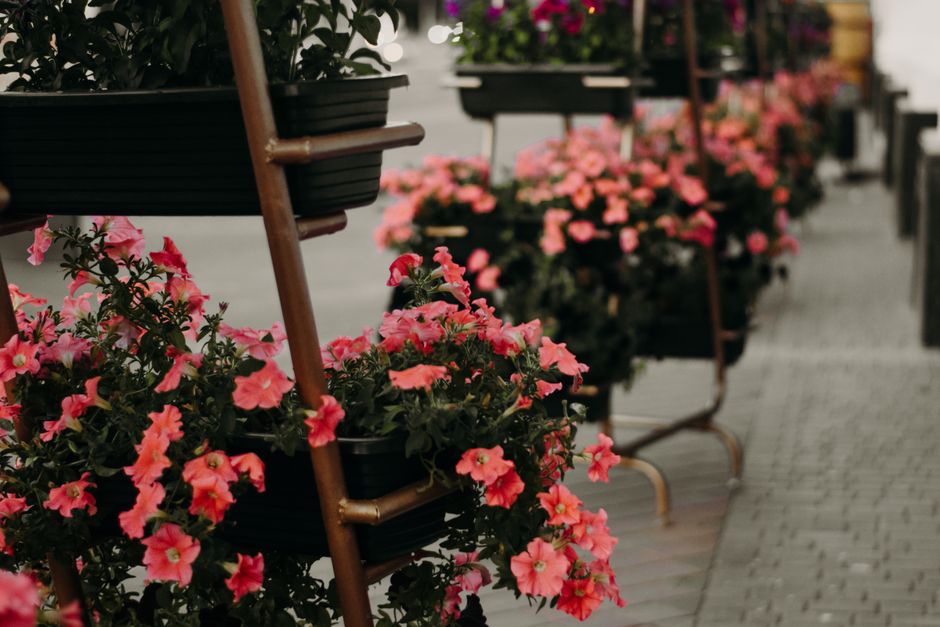
Tower Hamlets council rules for pavement flower displays
Posted on 10/10/2026
If you run a florist, cafe, restaurant, shop, or community venue in East London, pavement flower displays can make a street feel brighter in seconds. That said, Tower Hamlets council rules for pavement flower displays are not something to guess at. A tasteful row of pots outside the door can welcome people in; a display that blocks foot traffic, creates trip hazards, or ignores the permission process can quickly turn into an avoidable headache.
This guide explains the practical side of pavement flower displays in Tower Hamlets: what the rules usually mean in real life, how to approach permission, what councils tend to care about, and how to design a display that looks good without causing friction. We'll keep it plain-English and useful. No fluff. Just the stuff you actually need before you put a single planter on the pavement.

Table of Contents
- Why Tower Hamlets council rules for pavement flower displays Matters
- How Tower Hamlets council rules for pavement flower displays Works
- Key Benefits and Practical Advantages
- Who This Is For and When It Makes Sense
- Step-by-Step Guidance
- Expert Tips for Better Results
- Common Mistakes to Avoid
- Tools, Resources and Recommendations
- Law, Compliance, Standards, or Best Practice
- Options, Methods, or Comparison Table
- Case Study or Real-World Example
- Practical Checklist
- Conclusion
- Frequently Asked Questions
Why Tower Hamlets council rules for pavement flower displays Matters
Pavement flower displays sound simple. A few planters, some seasonal colour, maybe a neat basket arrangement by the doorway. But the moment those flowers move from private space to public pavement, the rules matter. Why? Because the pavement is shared space. People walking with buggies, wheelchairs, luggage, mobility aids, or even just a coffee in one hand need a clear route through.
In Tower Hamlets, that matters even more because streets can be busy, narrow, and varied. One frontage may have plenty of width; the next may be tight, awkward, and full of lamp columns, signage, and street furniture. A display that looks lovely at 8:30 in the morning can feel cramped by lunchtime when footfall picks up and the school run starts. Let's face it, what feels "fine" to the business owner can feel very different to a person trying to pass.
The rules matter for three reasons. First, they protect pedestrians. Second, they reduce the chance of enforcement action or complaints. Third, they help you keep the display sustainable in the long run, rather than having to remove it after a warning. A well-managed pavement display is the sort of detail people notice in a good way. A cluttered one, on the other hand, is remembered for all the wrong reasons.
Expert summary: The best pavement flower displays are not just decorative. They are clear, stable, accessible, and easy to maintain. If a display looks beautiful but forces people to step into traffic or squeeze by, it is not doing its job.
There's also a reputational point. In a place like Tower Hamlets, where shops and hospitality venues compete for attention street by street, the front of your premises is part of your brand. A tidy floral display can suggest care, cleanliness, and attention to detail. But that benefit only really lasts if the setup is compliant and practical.
How Tower Hamlets council rules for pavement flower displays Works
Exact procedures can change, so the safest approach is to treat the council's expectations as a combination of permission, public safety, and ongoing responsibility. In practice, pavement flower displays usually need to fit within the council's wider approach to managing the public highway and protecting pedestrian access.
Here is the simple version: if your flowers, pots, baskets, troughs, stands, or barriers sit on the pavement, you may need permission before placing them there. Even when a display feels temporary or seasonal, it can still count as an object on the highway. That is the key idea. Temporary does not automatically mean allowed.
The council will generally care about things like:
- how much walking space remains
- whether the display is stable and safe
- whether the arrangement creates clutter or obstruction
- how easy it is for pedestrians, wheelchair users, and pushchairs to pass
- whether the display is kept tidy and not allowed to spill onto the route
If the display is outside a business, another practical point comes in: responsibility. You are usually the one expected to maintain it, keep it clean, and remove it if it becomes unsafe or damaged. A cracked planter, wet soil on a sloping pavement, or a basket leaning into the footway is exactly the sort of thing that can become a problem after one rainy night.
There is also the difference between a display that sits on your own forecourt and one that occupies the public pavement. That distinction sounds obvious, but people blur it all the time. A pot just over the threshold may feel like "ours," yet if it is on the highway, the council's rules can apply. Simple enough in theory, fiddly in real life.
If you are also thinking about the flowers themselves-seasonal bouquets, wedding-style arrangements, sympathy tributes, or regular retail florals-some local florists use their product ranges to coordinate their frontage. For example, a storefront might favour neat, compact arrangements from a best-selling flower selection or softer seasonal choices that match the shop window rather than fighting it. The point is not to overdecorate. The point is to create a display that looks intentional.
Key Benefits and Practical Advantages
Done properly, a pavement flower display can do more than add a splash of colour. It can subtly improve how your business is perceived before anyone even walks through the door.
1. Better kerb appeal
A flower display instantly softens a frontage. On a grey London morning, a few well-chosen blooms can make a shopfront feel human and welcoming. It is a small thing, but small things count.
2. Stronger local identity
People remember places that feel cared for. A florist, cafe, deli, or salon with a tidy floral edge often stands out from neighbouring units with bare pavements and flat signage. You are signalling effort. That matters.
3. Seasonal flexibility
Displays can change with the time of year. Spring bulbs, summer colour, autumn texture, winter evergreens. You do not need to rebuild from scratch every month; you just need a plan. A little rhythm goes a long way.
4. Better customer experience
A welcoming frontage can slow people down in a good way. They glance at the display, notice the shop, and step in. That brief pause is often what turns a passer-by into a customer.
5. Fewer compliance headaches when planned well
Oddly enough, following the rules is often what makes a display easier to live with. Once you design around clear access, stable placement, and tidy maintenance, you spend less time worrying about complaints or awkward conversations.
For florists in particular, pavement displays can be part of the wider customer journey. A person might first notice a window display, then a street-side basket, then decide they need a last-minute gift. If you offer local delivery too, the front-of-shop presentation can support that wider offering, whether the customer is looking for flower delivery in Poplar E14 or a quick same-day solution. That kind of joined-up thinking is surprisingly effective.
Who This Is For and When It Makes Sense
Pavement flower displays are not just for florists, though florists are often the most obvious users. They can make sense for a range of businesses and organisations across Tower Hamlets.
- Florists wanting a stronger visual presence outside the shop
- Cafes and restaurants aiming for a warmer street-side atmosphere
- Independent retailers looking to stand out on a busy road
- Event venues that want seasonal decoration near the entrance
- Community groups exploring attractive but manageable frontage schemes
- Property managers who want to improve entrance appeal without causing access issues
It makes the most sense when your frontage has enough room to do it safely. If the pavement is already tight, full of pedestrians, or cluttered with utility covers and existing street furniture, a display can become a problem fast. In those cases, it may be better to keep floral decoration inside the window, in the doorway, or on private land immediately beside the entrance.
It also makes sense if you can keep the display maintained. Truth be told, the prettiest display in the world can become untidy in two days if nobody checks water, wind, dropped petals, or broken stems. That is especially true during wet spells, when dead leaves, mud, and water run across the pavement. London weather does love making a point.
If you run a florist and want a presentation style that feels polished without looking overstuffed, browsing a focused range such as flower garland arrangements or compact bouquets from a local florist in Poplar E14 can help you keep the street-facing look consistent. Not every display needs to scream for attention. Some of the best ones just quietly look right.
Step-by-Step Guidance
If you want to get this right, think in steps rather than as one big yes-or-no decision. That keeps the process calmer and helps you avoid costly mistakes.
1. Measure the available pavement space
Start with the actual footway width outside your premises. Do not estimate by eye if you can help it. Stand back, measure the route pedestrians use, and note where fixed objects already sit. A display that seems tiny on paper can feel enormous once it is in place.
2. Check what the display will sit on
Is it on private forecourt space, or public pavement? That distinction is everything. If it sits on the highway, you may need permission or a licence. If you are unsure, ask before you place anything.
3. Decide the format of the display
Will it be a row of pots, hanging baskets, a low floral border, or a single statement arrangement? Low, stable, and narrow usually causes fewer issues than wide, sprawling pieces. Tall pieces can work too, but they need to be very secure.
4. Check visibility and pedestrian flow
Look at the display from the perspective of a wheelchair user, someone with a pram, or a visually impaired passer-by. Can they clearly see the route? Is there a straight, unobstructed line through? If the answer is "sort of," that is not really enough.
5. Choose weather-resistant materials
Pots, bases, and stands should be stable enough for wind and regular foot traffic nearby. Avoid fragile items that can topple, chip, or spill soil. Heavy bases often work better than lightweight decorative ones. Practical beats pretty here, every time.
6. Build in maintenance
Decide who waters, tidies, and checks the display each day. A display is not "finished" once it is placed. It becomes a little daily job. Short, simple, consistent. That's the game.
7. Keep records
Hold onto any permission, correspondence, or internal notes about the display. If there is ever a query, you will be glad you can show that you planned it carefully.
A simple approach often works best: keep the display low, leave a generous pedestrian route, avoid sharp edges, and make sure nothing can tip or spill. If that sounds less glamorous than a big floral fantasy, fair enough. But a compliant display that stays up is better than a grand one that gets removed by Friday.
Expert Tips for Better Results
There are a few small choices that make a noticeable difference. They are the sort of details people only notice when they go wrong, which is annoying but true.
- Keep the palette controlled. Too many colours can make a frontage feel busy, especially on a narrow pavement. Two or three colours usually look calmer.
- Use repetition. A repeated shape or planter style feels intentional. Random containers can look improvised in a bad way.
- Match the frontage. A modern shopfront and a rustic floral mix can clash if you are not careful. The display should feel like it belongs there.
- Think in height layers. Low base plants, medium flowers, occasional taller stems. That balance looks more polished than one flat line.
- Allow for passing feet and bins. Sounds obvious, but it gets missed. Make sure doors can open fully and refuse collections can still happen without moving half the pavement.
- Use removable components. If you need to clear the pavement quickly for deliveries or maintenance, modular pieces make life much easier.
One practical observation from real-world street frontage work: the display that survives is usually the one that is easiest to live with. If staff can water it in under five minutes, check it without a ladder, and remove it without drama, you are in a much better place. Nobody wants a floral installation that behaves like a second job interview.
If your goal is a softer, more elegant look, try restrained arrangements rather than oversized statement pieces. For example, a modest set of whites and pastels can feel calmer than a riot of mixed colour. If you need to source gifts or themed bouquets alongside the frontage display, a shop's wider range such as flowers for any occasion can help keep the overall style consistent.
Common Mistakes to Avoid
Most problems with pavement flower displays are not dramatic. They are small oversights that add up. That is why they are so annoying.
Blocking the natural walking line
The biggest mistake is assuming people will just step around the display. Some will. Many won't, or can't. Keep the route obvious and generous.
Using unstable containers
Light pots, wobbly stands, and narrow bases can tip in wind or get nudged by foot traffic. Once that happens, the whole setup looks careless.
Ignoring maintenance
Wilted flowers, fallen petals, muddy spillages, and cracked pots make a display look neglected fast. The display should never look like it had a rough night and forgot to recover.
Overcrowding the frontage
More is not always more. Overdone displays can make a shopfront feel smaller and more difficult to navigate.
Assuming permission is unnecessary
This is a common one. Just because the flowers are decorative does not mean they are exempt from local rules. If in doubt, check first.
Forgetting accessibility
Wheelchair users, blind or partially sighted pedestrians, and people with prams need predictable clear space. A display should be friendly to everyone, not just visible from across the road.
Using sharp or breakable decor
Glass, brittle metal edges, loose wiring, and protruding stakes can turn a pretty arrangement into a hazard.
A lot of businesses only notice these issues after a complaint. Better to catch them on a Tuesday afternoon while the pavement is quiet than on a Saturday when the street is full and someone is already frustrated.
Tools, Resources and Recommendations
You do not need a huge toolkit to manage pavement flower displays well. What you do need is a sensible one.
- Measuring tape to check widths properly
- Notebook or digital log for display plans, maintenance notes, and permission records
- Stable planters with appropriate weight and base width
- Watering can or hose access that can be used safely without spilling across the route
- Soft brushes or cloths for petals, soil, and debris
- Seasonal planting plan so the display does not look tired after a few weeks
- Simple signage or boundary markers if they are permitted and helpful for clarity
From a product standpoint, it helps to think about display continuity. If your frontage is floral and your in-store stock also leans toward elegant, fresh arrangements, you can create a more coherent brand feel. A local business that offers flower shop services in Poplar E14 may use that connection between street presence and product range to reinforce trust.
If you are sourcing arrangements for the display or for related retail use, some categories can be especially practical. Neat, manageable designs such as baskets and posies or compact flowers in a vase are often easier to handle than loose, sprawling arrangements. They are easier to water, easier to move, and less likely to shed across the pavement.
Law, Compliance, Standards, or Best Practice
This is the section where caution matters. I'm going to keep it careful rather than pretend there is one magic rule for every pavement. Local permissions, highway control, access obligations, and safety expectations all interact. The exact requirement can depend on the location, the pavement width, the type of display, and whether the area is public highway or private frontage.
In general, the safest best-practice principles are straightforward:
- do not obstruct public access
- do not create a trip or collision hazard
- do not rely on "it should be fine" as a compliance strategy
- keep the display stable and well maintained
- make sure the arrangement can be removed quickly if needed
Accessibility is not just a nice idea; it is central to whether the display is acceptable. A good pavement arrangement respects the needs of all pedestrians, including those with mobility aids or visual impairments. Clear walking routes matter. Predictable placement matters. No awkward surprises at ankle height.
If permission is required, treat it as part of the project, not a last-minute nuisance. Councils tend to look more favourably on applications or enquiries that show you have thought about public safety, maintenance, and access from the start. A neat, modest display with a simple maintenance plan usually stands a better chance than a sprawling one that feels improvised.
Best practice in this area is really common sense dressed up in practical form: keep it tidy, keep it clear, and keep it removable. That is about as unglamorous as it gets, but it works.
Options, Methods, or Comparison Table
Not every frontage needs the same approach. Here is a simple comparison of common display styles and how they usually perform from a compliance and practicality point of view.
| Display method | Visual impact | Space needed | Maintenance | Best for |
|---|---|---|---|---|
| Low planters | Moderate | Low to medium | Low | Narrow pavements and tidy shopfronts |
| Hanging baskets | High | Very low on the ground | Medium | Frontages that need colour without taking walkway space |
| Row of pots | High | Medium | Medium | Businesses with a wider frontage and clear footway |
| Large statement arrangement | Very high | High | High | Special events or larger forecourts |
| Indoor window display only | Moderate to high | None on pavement | Low | Tight pavements or locations with frequent pedestrian flow |
If you are unsure which format is safest, start smaller. It is easier to add one more planter later than to remove an overambitious setup after complaints. There's a kind of peace in that.
For some businesses, an indoor-outdoor blend works well: flowers in the window, a small legal frontage display if permitted, and coordinated products inside. That way the visual story is there, but the pavement remains calm and usable.
Case Study or Real-World Example
Imagine a small florist on a busy Tower Hamlets street near passing buses, school traffic, and people walking briskly to work. The owner wants the shop to feel more inviting and decides to place a few seasonal planters by the entrance. Sensible idea, but the pavement is not generous.
In the first version, the planters are too wide and sit slightly too far out. People begin stepping around them, delivery drivers have to nudge boxes past, and one customer with a pram has to pause awkwardly in the road edge while someone passes. Nobody is furious, but the display is creating tiny irritations everywhere. That is usually the sign.
After reviewing the setup, the owner scales it back. The planters become narrower and more stable. The arrangement is moved closer to the frontage. A simple watering routine is added, and flowers are chosen for sturdiness as much as beauty. The display still looks attractive-actually, it looks better because it is cleaner and more deliberate. People can move easily. The shopfront feels warmer. No drama. Just a much better fit.
That kind of adjustment is common. The best displays are rarely the biggest. They are the ones that work with the pavement rather than against it.
If you are thinking about a seasonal refresh, you might pair a frontage display with a broader retail assortment, like summer flowers or autumn-themed arrangements, depending on the time of year. Seasonal consistency makes everything feel more considered. You can almost smell the difference when it is done well-fresh, green, not fussy.
Practical Checklist
Use this quick checklist before you place any flowers on the pavement.
- Have I confirmed whether the display sits on public highway or private land?
- Do I know whether permission or a licence is needed?
- Is there a clear pedestrian route left open?
- Can wheelchairs, prams, and mobility aids pass without difficulty?
- Is the display stable, weighted, and unlikely to topple?
- Are the pots, baskets, or stands free from sharp edges?
- Will the display remain tidy in wet or windy weather?
- Do staff know who waters and checks it each day?
- Can the display be moved quickly if required?
- Have I thought about how it looks at busy times, not just quiet ones?
Quick practical note: if several answers are uncertain, pause and sort those points out first. A couple of extra minutes now can save a week of trouble later.
Conclusion
Tower Hamlets council rules for pavement flower displays are really about balance: beauty, access, safety, and responsibility all have to sit together. Get that balance right and your frontage can feel alive, welcoming, and memorable without becoming a nuisance. Get it wrong, and even the nicest flowers can become a problem.
The good news is that a strong display does not need to be complicated. Keep it neat. Keep it stable. Keep the walkway clear. Make maintenance part of the plan, not an afterthought. And if permission or local guidance is needed, deal with it early rather than hoping nobody notices. They usually do, eventually.
For local businesses, the smartest approach is often the simplest one: a thoughtful display that fits the street, respects pedestrians, and quietly improves the feel of the area. That kind of detail tends to last. And honestly, that's what makes a street feel cared for.
Get a free quote today and see how much you can save.
If you are unsure whether your current frontage is suitable, take one calm look at it at street level and ask yourself one question: would this still feel comfortable for everyone at rush hour? That question tells you a lot.
Frequently Asked Questions
Do I need permission for pavement flower displays in Tower Hamlets?
Often, yes, if the flowers or planters are placed on public pavement. The exact requirement depends on the location, what is being placed there, and whether the display affects the highway. It is safer to check first than assume a decorative display is automatically allowed.
What counts as a pavement flower display?
It can include pots, baskets, troughs, stands, decorative arrangements, and similar items placed on the pavement outside a business or property. If it occupies public footway space, it is usually treated as a frontage or highway issue rather than just decoration.
Can I put flower pots outside my shop without asking the council?
Not safely if the pots sit on the public pavement. Even small items can count as obstructions or objects on the highway. What looks harmless to you may affect pedestrian movement, so it is better to get clarity before installing anything.
How much space should I leave for pedestrians?
There is no one-size-fits-all answer here, because pavement widths vary and local conditions matter. The practical rule is to leave enough clear space for safe, comfortable movement, including wheelchairs and pushchairs. If people have to squeeze, the display is probably too intrusive.
Are hanging baskets easier to use than ground planters?
Usually, yes, because they take up less walking space on the ground. That said, they still need to be securely fixed and maintained. They are not a free pass, just often a better option for narrower pavements.
What happens if my display causes a complaint?
The council may review the situation and ask for changes or removal if the display is considered obstructive, unsafe, or non-compliant. Complaints are often about access, clutter, or maintenance, not the flowers themselves. In other words, the issue is usually the footprint, not the colour.
Can I use my display for seasonal promotions?
Yes, but keep it consistent with the space available and any permission conditions. Seasonal changes are a good idea, especially for businesses that want to keep the frontage fresh. Just avoid expanding the display so much that it starts to block the path.
What if my pavement is very narrow?
That is often a sign to keep displays off the pavement entirely or use a very modest, carefully placed alternative. Window displays, forecourt decoration, or indoor floral styling may be better options. Narrow pavements leave little room for error.
Do I need to maintain the display every day?
At a practical level, yes. Daily checks are wise because flowers wilt, pots move, and weather changes quickly in London. A display that looks lovely in the morning can become messy by evening if nobody is watching it.
Can flowers spill onto the pavement and still be acceptable?
No, not really. Fallen petals, soil, water, and stems can create slip or trip risks if left unmanaged. A little natural shedding is normal, but the display should be kept tidy and safe.
Is there a better type of flower arrangement for street-front displays?
Compact, stable arrangements usually work best. Baskets, low planters, and neatly contained designs tend to be easier to maintain and less likely to obstruct pedestrians. If the display is easy to lift, water, and secure, that is a strong sign it is a sensible choice.
Should I choose fresh flowers or artificial ones for a pavement display?
Fresh flowers usually create a warmer, more authentic feel, but they require more maintenance. Artificial flowers may last longer, though they can look less natural if not chosen carefully. The best option depends on your frontage, your budget, and how often you can look after the display.
Where should I start if I am not sure what Tower Hamlets expects?
Start by measuring the space, identifying whether the display would sit on public highway, and planning for access first. Then check the council's current position before placing anything outside. That method is simple, but it saves a lot of stress later.